Short read
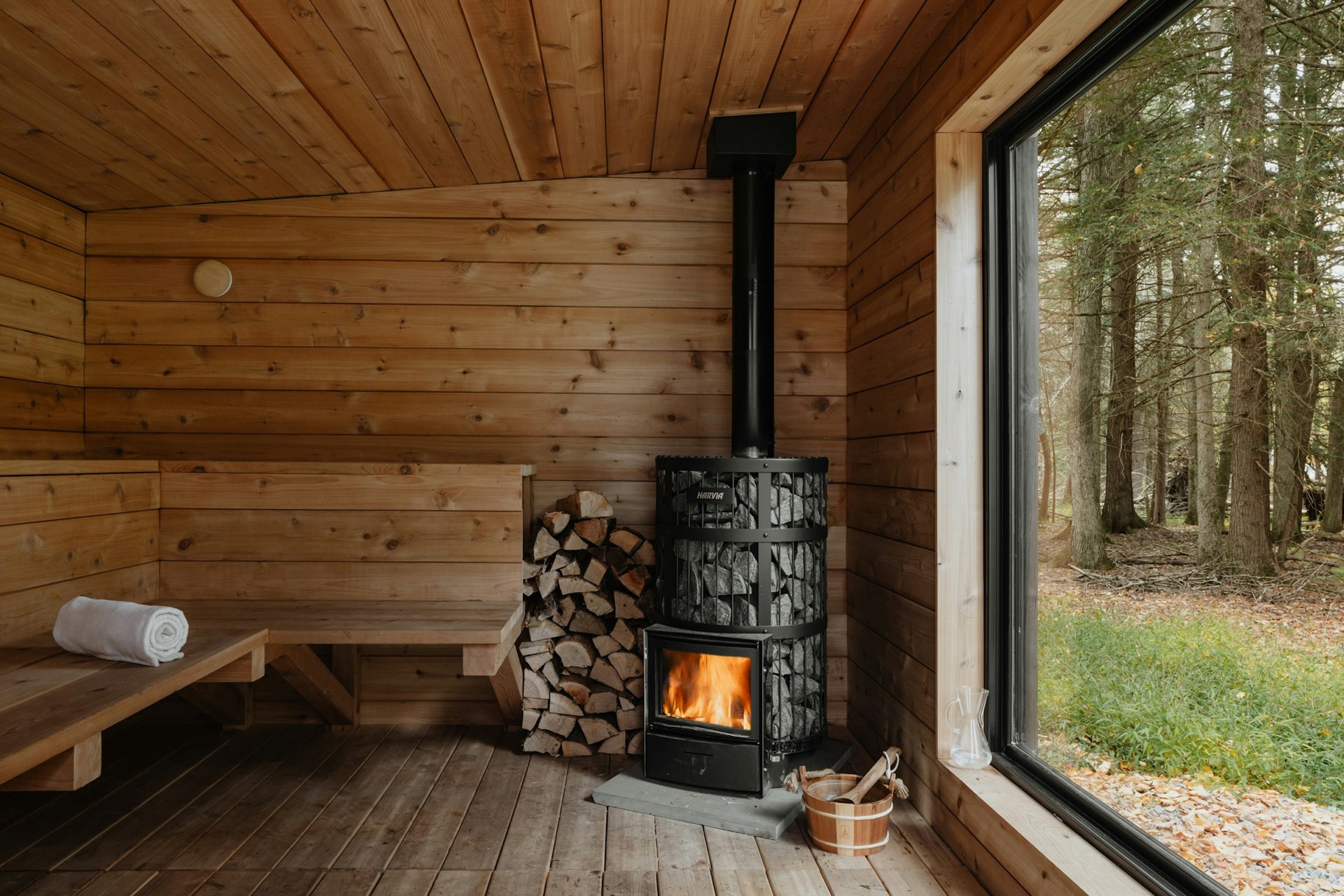
Søberg, Scheele and colleagues at the University of Copenhagen, Rigshospitalet and the Novo Nordisk Foundation Center for Basic Metabolic Research compared experienced winter swimmers with a control group, published in Cell Reports Medicine in 2021. The winter swimmers were young, healthy men whose routine paired cold-water swimming with sauna sessions, two or three times weekly. The control group had no regular cold or heat exposure. The team used PET imaging of glucose uptake in brown fat, cooling protocols, fat tissue biopsies and resting energy expenditure over several test days.
Compared with the control group, the winter swimmers had a lower core temperature and, in a comfortable state, no measurable brown fat activity, while the controls still showed some. Under cold exposure, their cold-induced heat production rose more strongly than in the controls. In all participants, skin temperature above the collarbone dropped at night; in the winter swimmers it had a pronounced low point between 4:30 and 5:30 in the morning. The authors read this as a simultaneous adaptation to heat and cold.
The sample is small and includes men only. The design compares existing groups rather than assigning an intervention, and the groups may differ in other ways as well. The study combines cold water and sauna, so it does not isolate the effect of either.
The study shows an adaptation of thermoregulation, not weight loss. The senior author, Camilla Scheele, describes weight reduction explicitly as a possibility rather than a finding, and only if food intake does not rise to compensate.